In 2026, digital art transforms the creative landscape. Artists use AI tools, VR canvases, and NFTs to push boundaries. Traditional mediums like painting and sculpture merge with pixels and code, making art more accessible.
Platforms like IdeaBing allow creators to share ideas globally. Street artists project digital murals onto buildings, while museums host virtual exhibitions viewed from home.
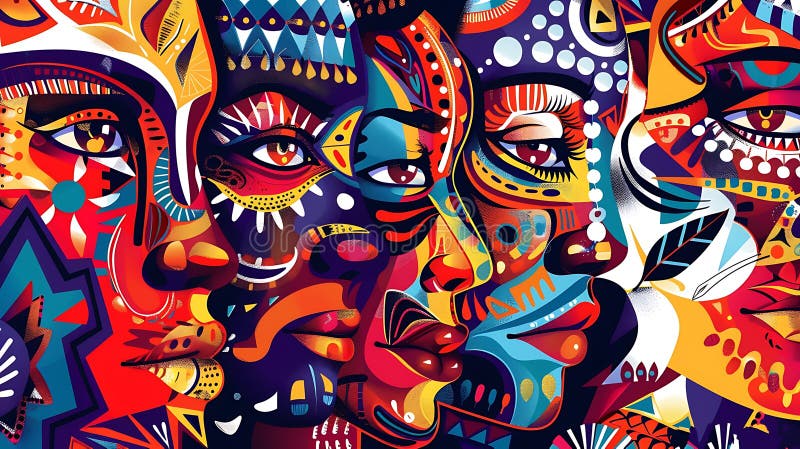
This fusion preserves cultural heritage—think ancient motifs recreated in 3D—while innovating. Young artists from diverse backgrounds gain visibility without gallery gatekeepers. Challenges persist, such as AI authorship debates and environmental concerns from energy-intensive blockchain.
Digital art democratizes expression. It invites everyone to participate, whether creating or appreciating. What’s your take on this evolution? Share your ideas on IdeaBing.com!